

Digitalization of production lines
We connect equipment, production data and control systems into a single digital loop — based on the plant's objectives and its existing infrastructure.
We survey the line, design the architecture, select SCADA, MES, OEE, machine vision and monitoring systems, and handle integration and start-up.
New and existing lines · Equipment from different manufacturers · Step-by-step rollout
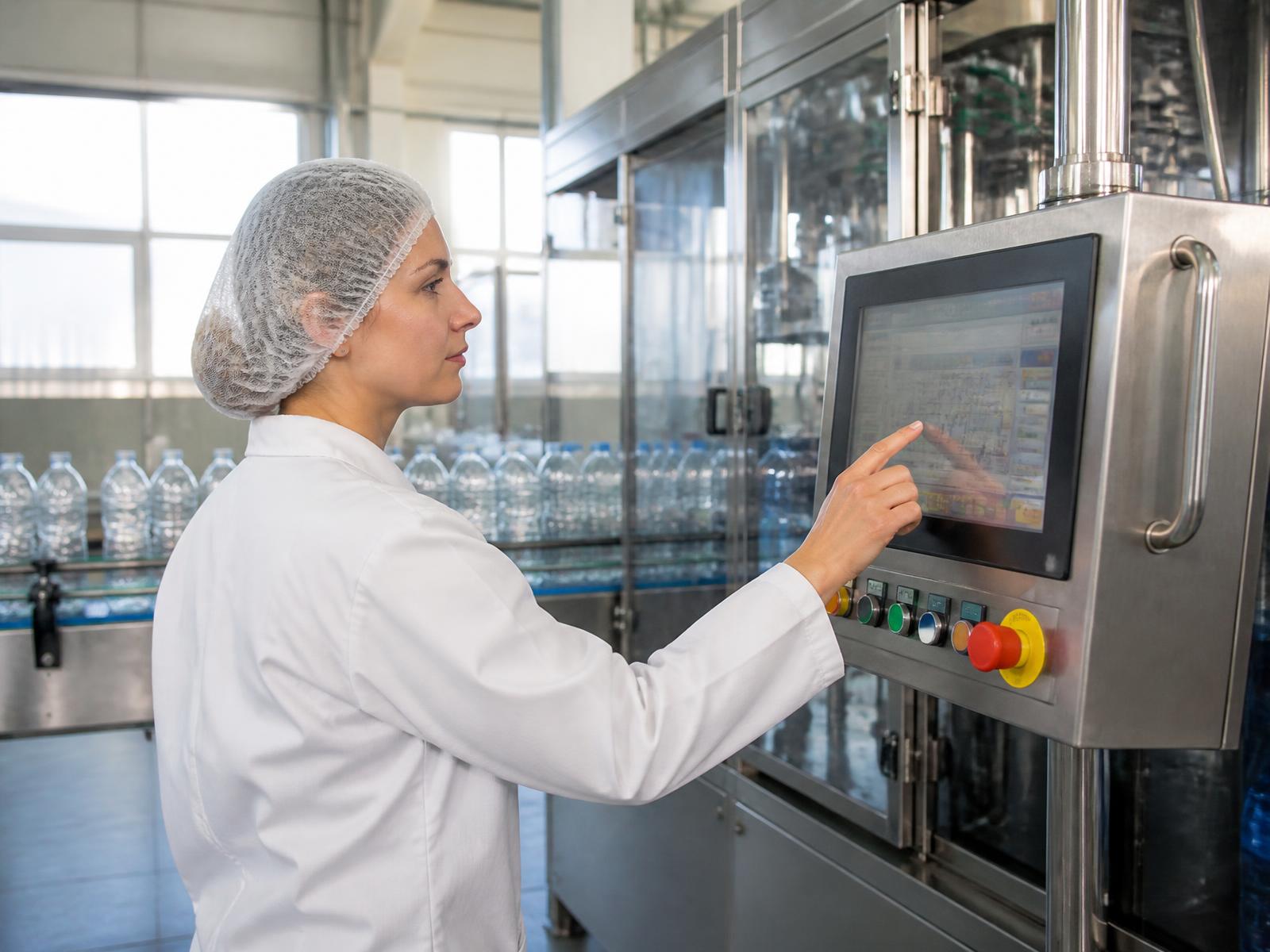
- Line status
- Running
- Output
- —
- Downtime
- —
- Quality
- —
- Energy
- —
Example visualization. The interface depends on the selected system and project configuration.
Not another piece of software, but a working digital loop
A single plant can run machines from different manufacturers, standalone control panels, legacy controllers and disconnected accounting systems at the same time. Buying another software product does not solve that on its own.
EDEN defines what data the plant needs, where it can be collected from, and how to link equipment, automation and software systems into one architecture.
See how EDEN organizes digital control of project delivery- 1
Equipment and sensors
Line machines, drives, meters, flow meters and status signals.
- 2
PLC / HMI / control systems
Controllers, operator panels, networks and protocols.
- 3
SCADA / MES / OEE
Process visualization, work orders, downtime and production analytics.
- 4
ERP, quality and management
Accounting and laboratory systems, reporting for management.
The configuration of the digital loop is defined after the line survey.
What the plant gets
Digitalization should answer specific production questions, not just collect more data.
Actual effectiveness
Speed, output, utilization, OEE and production plan fulfilment.
Downtime causes
When and why the line stops, which machines and processes limit throughput.
Product quality
Fill level, capping, label, coding control and automatic rejection.
Equipment condition
Unit run-hours, fault history, maintenance schedules and alerts.
Batch traceability
Linking raw materials, recipe, work order, process parameters and finished product.
Resource consumption
Water, electricity, steam, compressed air, product and waste per unit.
Technologies we can integrate
The scope depends on the plant's objectives, equipment, budget and systems already in use.
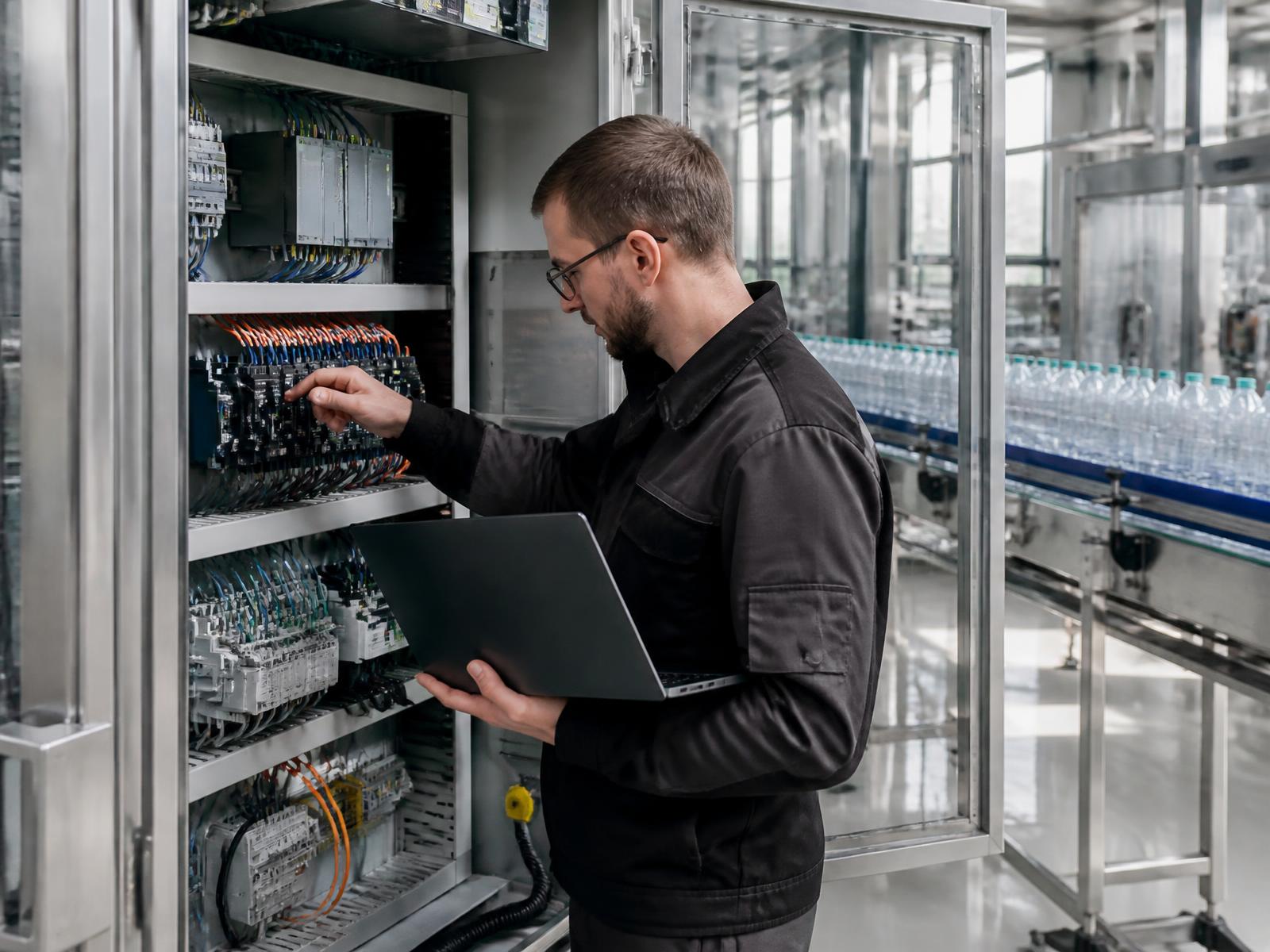
HMI and SCADA
Equipment control and centralized process visualization.
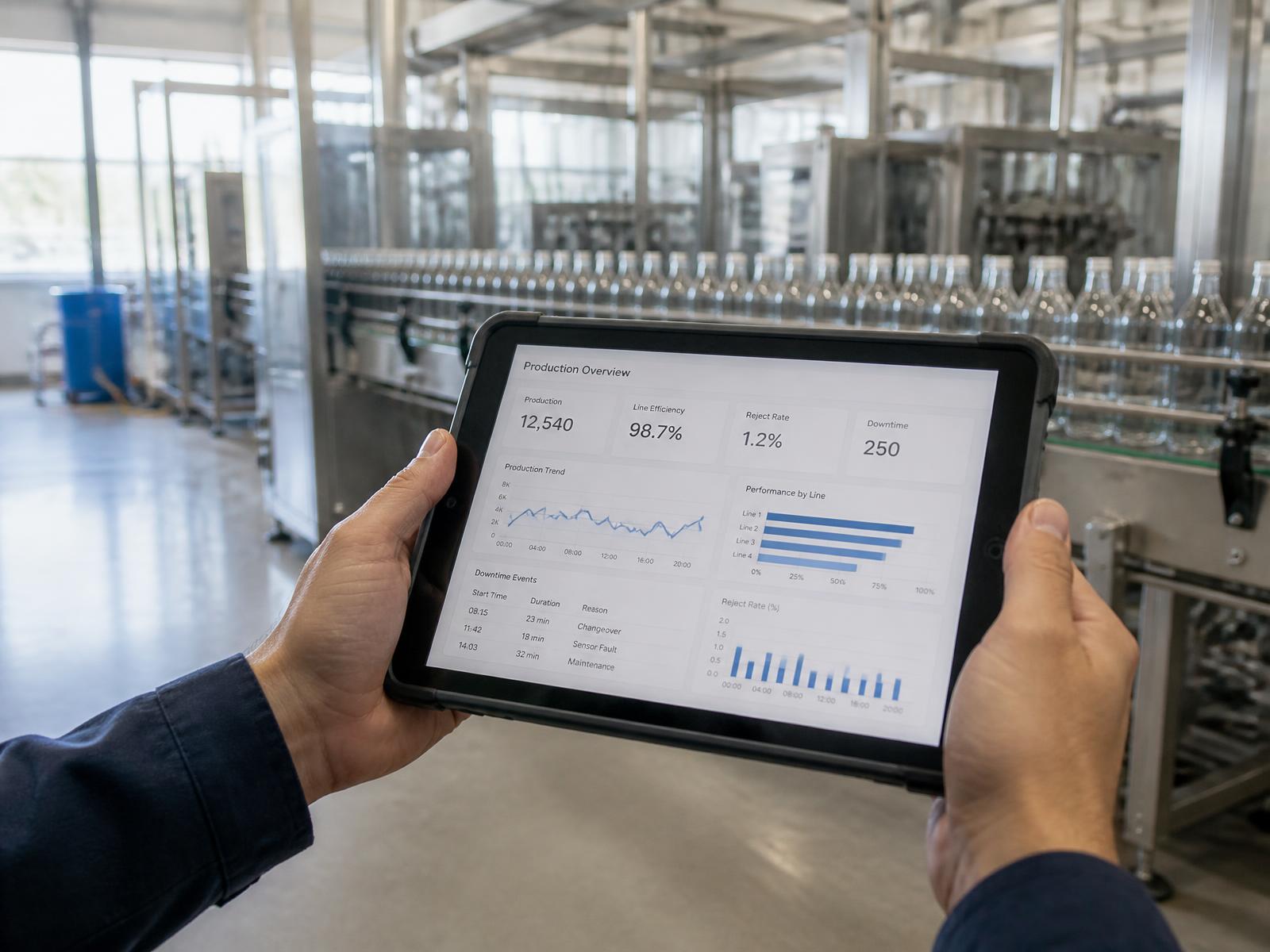
OEE and production analytics
Output, downtime, loss causes, shift comparison and plan vs actual.
MES and traceability
Work orders, recipes, batches and production history.
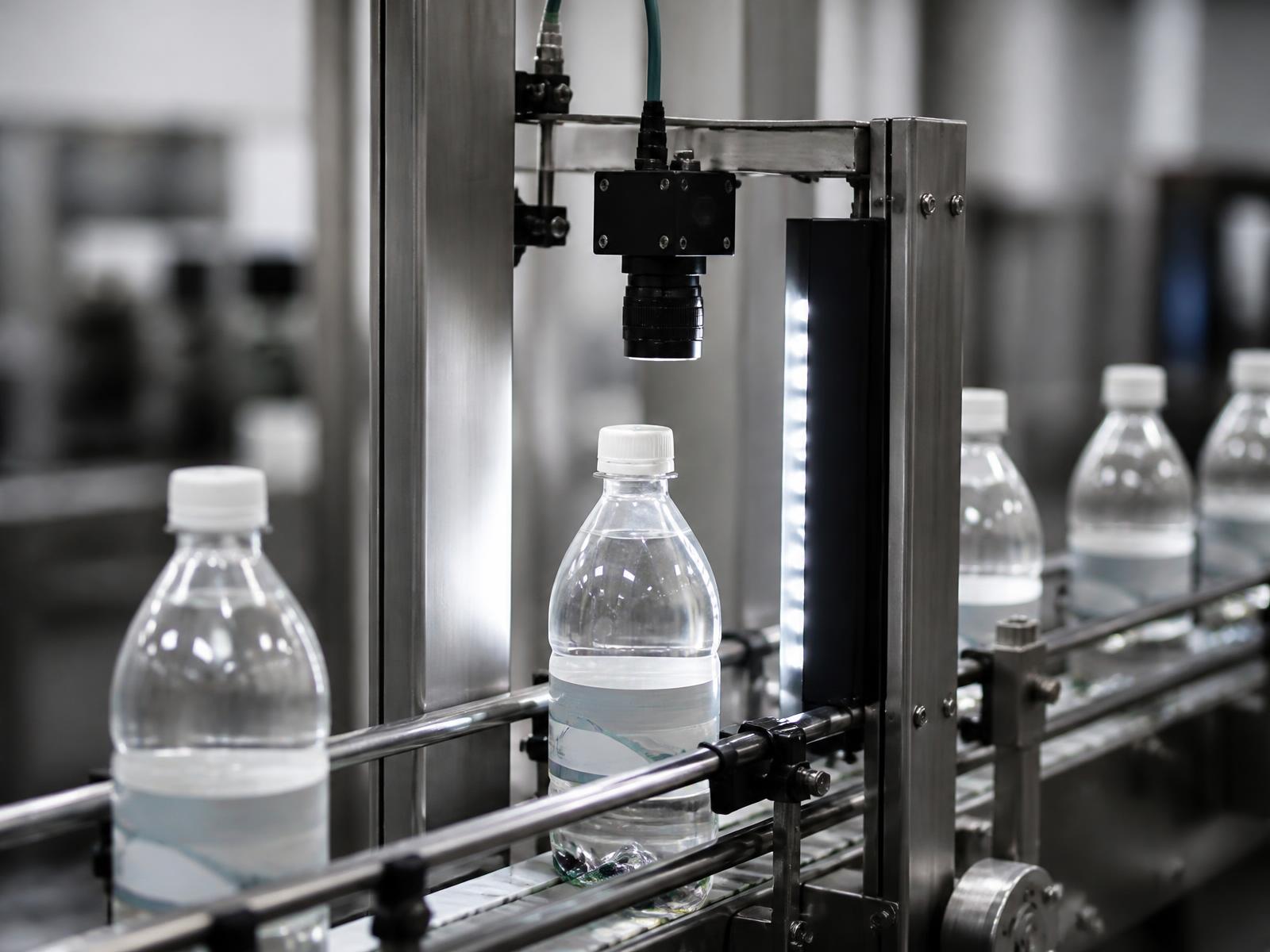
Machine vision
Bottle, fill level, cap, label, date and code inspection.
Maintenance
Run-hours, equipment condition, maintenance planning and notifications.
Resource monitoring
Water, electricity, steam, air, product and effluent accounting.
Enterprise system integration
ERP, warehouse, laboratory systems and marking.
Remote diagnostics
Secure access, fault analysis and technical support.
EDEN does not lock a plant into one mandatory ecosystem. Specific platforms and vendors are defined at the design stage.
From a production task to a working integration
- 01
Line survey
Equipment, controllers, interfaces, networks, available signals and data quality.
- 02
Defining objectives
We fix the required metrics: effectiveness, downtime, quality, maintenance, resources or traceability.
- 03
Architecture design
Connection points, data structure, automation levels and security requirements.
- 04
Solution selection
We compare compatible technologies and vendors against budget, service and cost of ownership.
- 05
Integration and testing
Connecting equipment, configuring data exchange, interfaces, reports and control scenarios.
- 06
Start-up and growth
Trials, staff training and readiness to connect further machines and metrics.
Digitalization at any stage of the life cycle
New line
We specify the required sensors, interfaces, data exchange standards and enterprise integration already at the design stage.
- unified requirements for equipment suppliers
- agreed protocols and interfaces
- readiness for OEE and production data collection
- fewer reworks after start-up
Existing line
We determine what data is already available and which units can be connected or upgraded without replacing the equipment.
- audit of controllers and networks
- connecting individual machines or a section
- HMI and SCADA upgrade
- gradual expansion of the digital loop
Technical feasibility of connection is determined after the equipment survey.
What the customer receives
Digital readiness report
Current state of equipment, data, networks and control systems.
Target architecture
Equipment connection diagram and system interaction map.
Implementation plan
Solution scope, stages, budget guidance and supplier requirements.
Integrated system
Configured interfaces, documentation, trials and staff training.
You don't have to digitalize the whole plant at once
Start with one task or one production area, verify the effect and then scale the solution.
- digital readiness audit
- speed and downtime data collection
- OEE calculation rollout
- HMI or SCADA upgrade
- quality control automation
- energy resource accounting
- integration of a new machine
- traceability for one product line
Let's define what data your production actually needs
We start with the equipment, the existing infrastructure and the production tasks — then propose a realistic architecture and rollout stages.
A line layout, an equipment list and a description of the task are enough for a first discussion.