

Expertise: how filling and packaging lines work
We break down the technology by units, explain what shapes a project budget, and show which solutions work on real production sites. Materials are written by the EDEN SYSTEMS engineering team based on projects we have launched and audited.
Price and composition by direction
Landing pages with typical configurations, budget structure and calculation order.
Articles in total: 37
 Production Startup
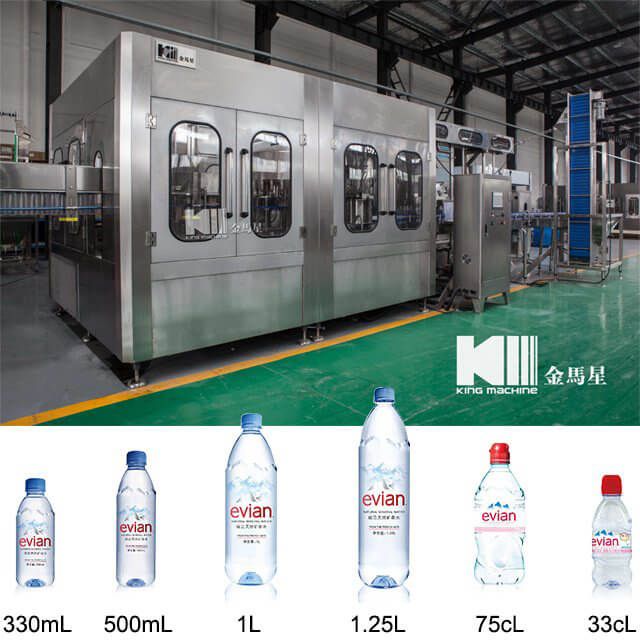
Turnkey Filling Line
“Turnkey” means different things to different suppliers: from “the machines were delivered to the gate” to “the plant has reached its rated capacity and operates without us.” We explain what a complete system consists of, which tasks are commonly omitted from the contract, and which items should be compared when reviewing commercial proposals.
 PET Containers and Blowing
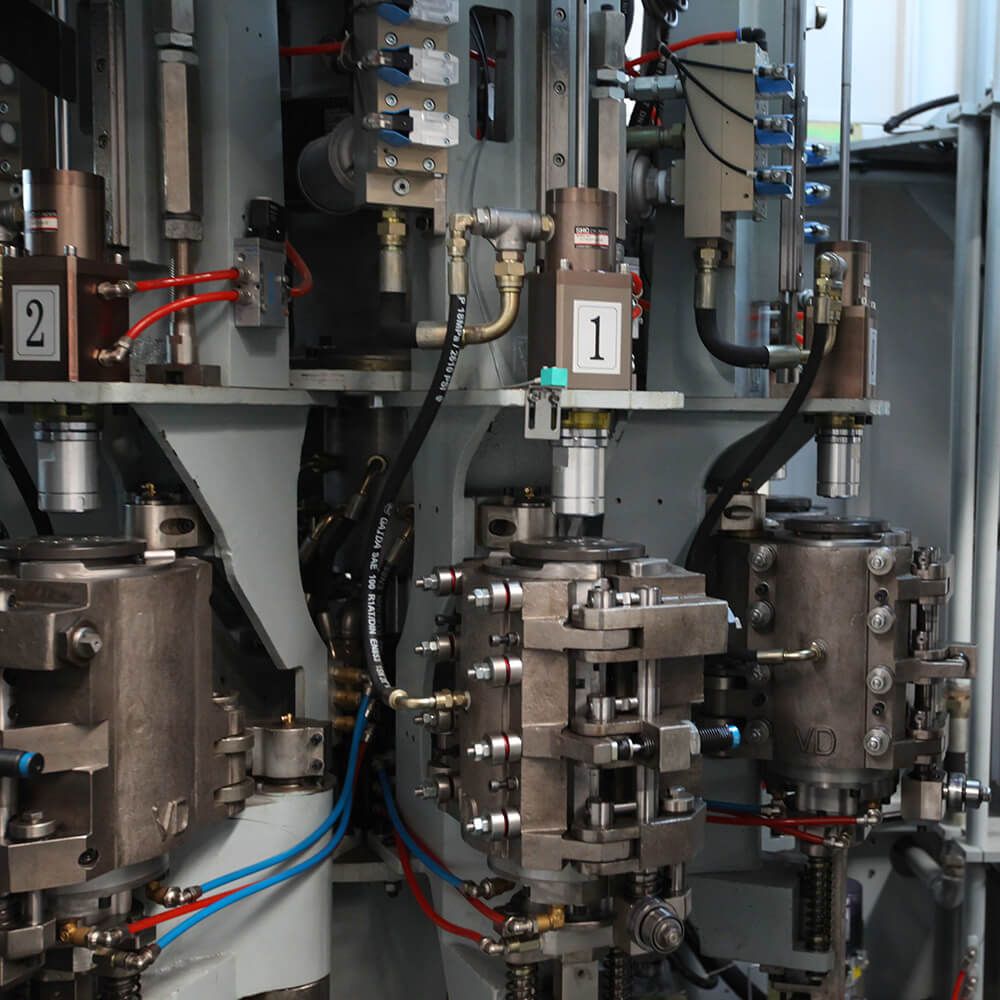
PET Filling Line
PET remains the primary packaging material for water, carbonated beverages, juices, oil, and household chemicals.
 Lines by Product Type
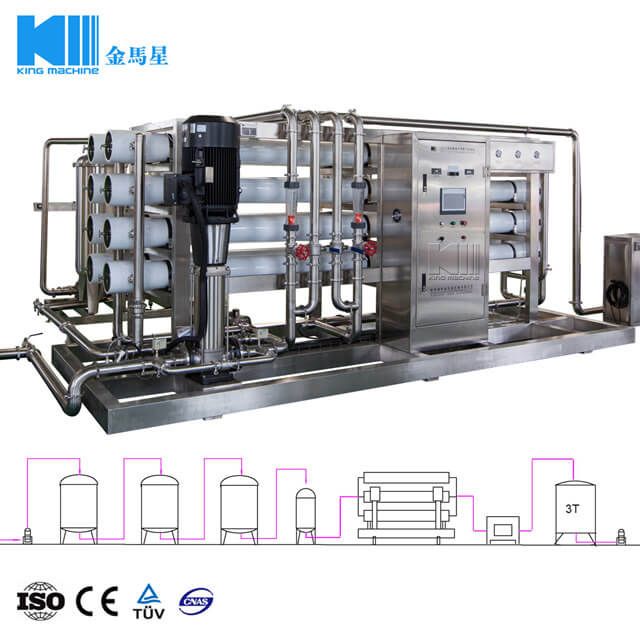
Water Filling Line
Filling drinking water appears simple until the first laboratory test report arrives.
 PET Containers and Blowing
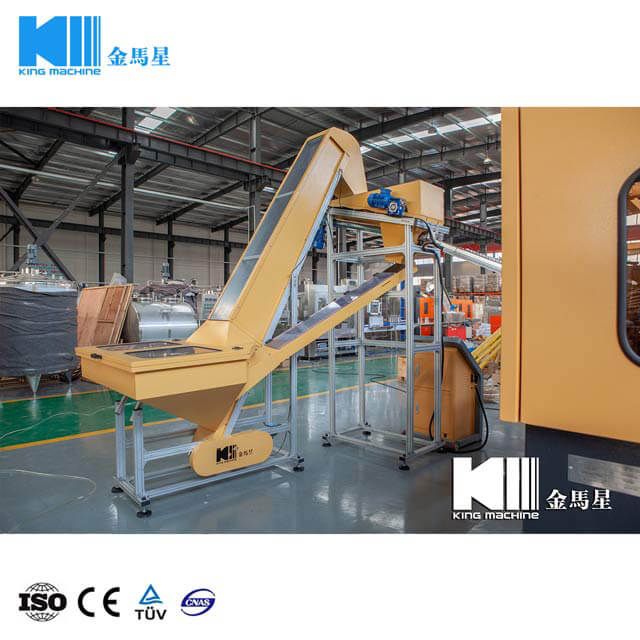
PET Container Blowing
Blowing transforms a preform weighing only a few dozen grams into a finished bottle in seconds.
 PET Containers and Blowing
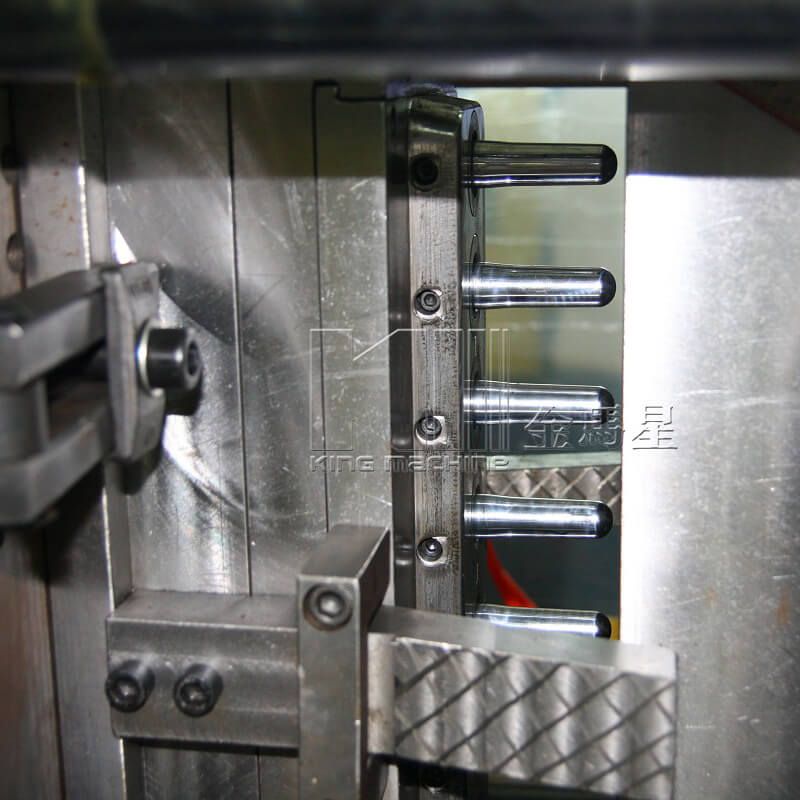
PET Blow Molds
The mold determines bottle geometry, material distribution through the wall, and ultimately container weight.
 Line Components and Technologies
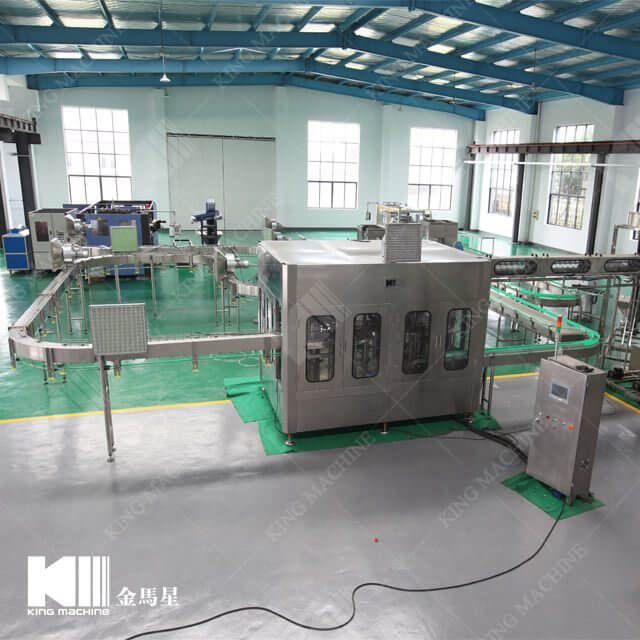
Filling Triblock
A triblock combines rinsing, filling, and capping on a single frame with a common drive.
 Lines by Product Type
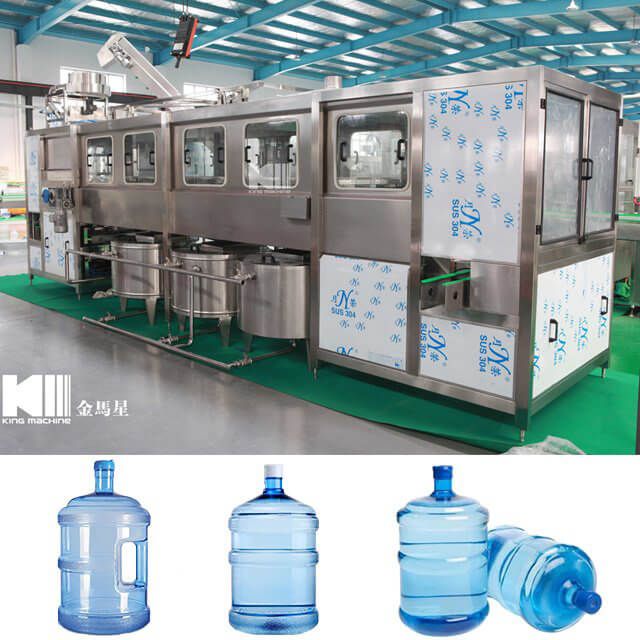
19 L Water Filling Line
Filling 19-liter polycarbonate bottles is a distinct class of technology.
 Production Startup
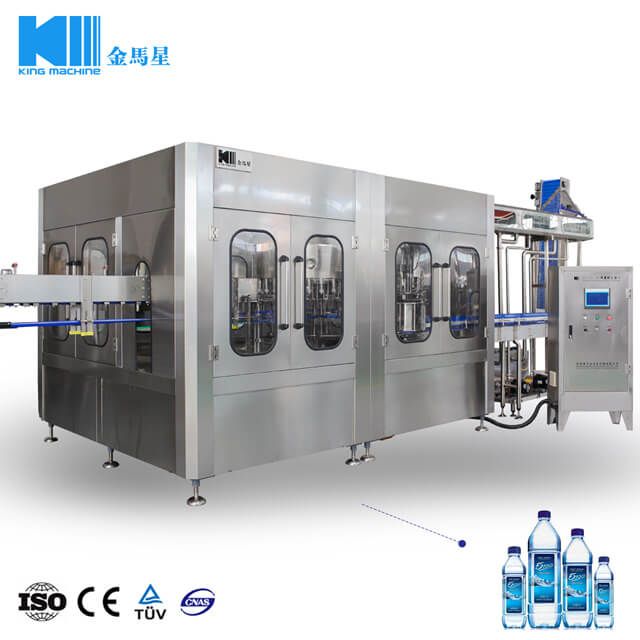
How Much Does a Filling Line Cost?
The question “How much does a filling line cost?” cannot be answered without five clarifications.
 Line Components and Technologies
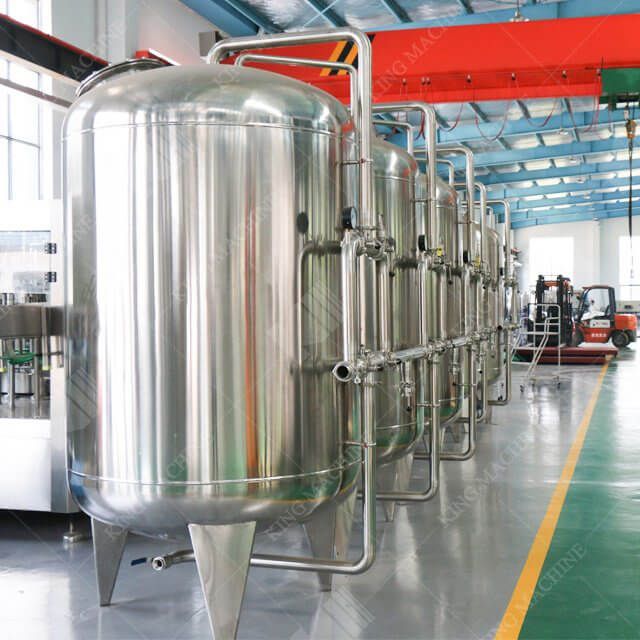
Water Treatment for Filling
A water treatment system is designed based not on the filling line capacity, but on the chemical composition of the specific well water.
 Lines by Product Type
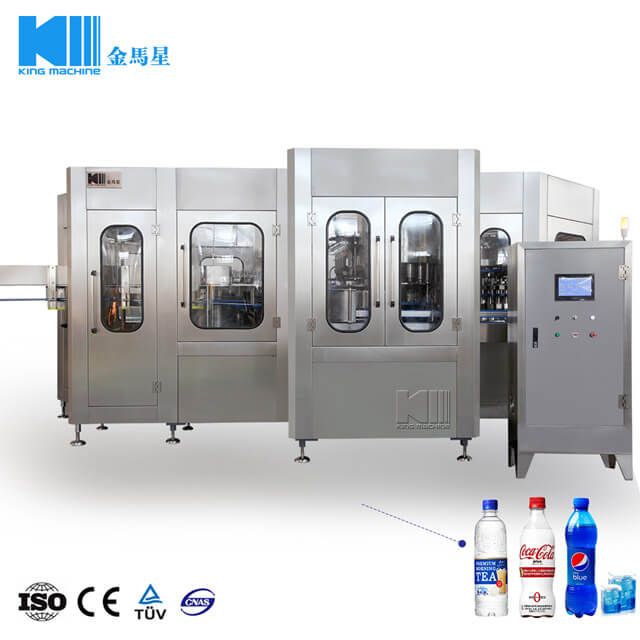
Carbonated Beverage Filling Line
A carbonated beverage must not only be filled—it must retain its carbon dioxide during filling.
 Lines by Product Type
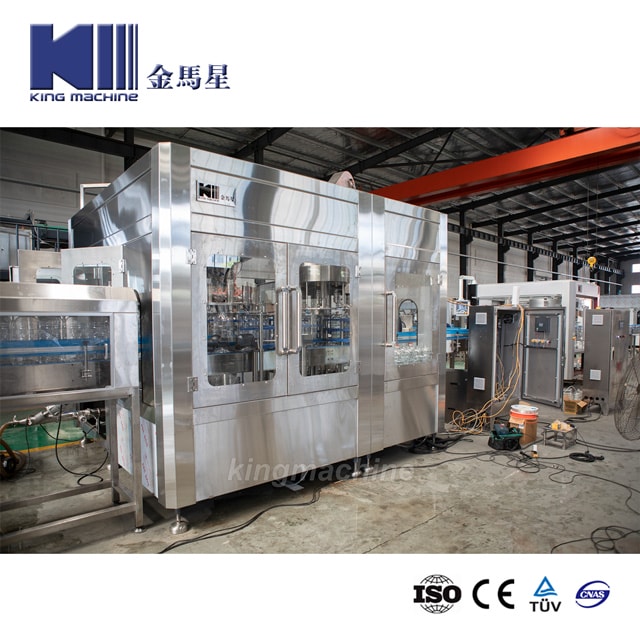
Oil Filling Line
Oil is viscous, strings from the valve, and leaves a film on everything it touches.
 Lines by Product Type
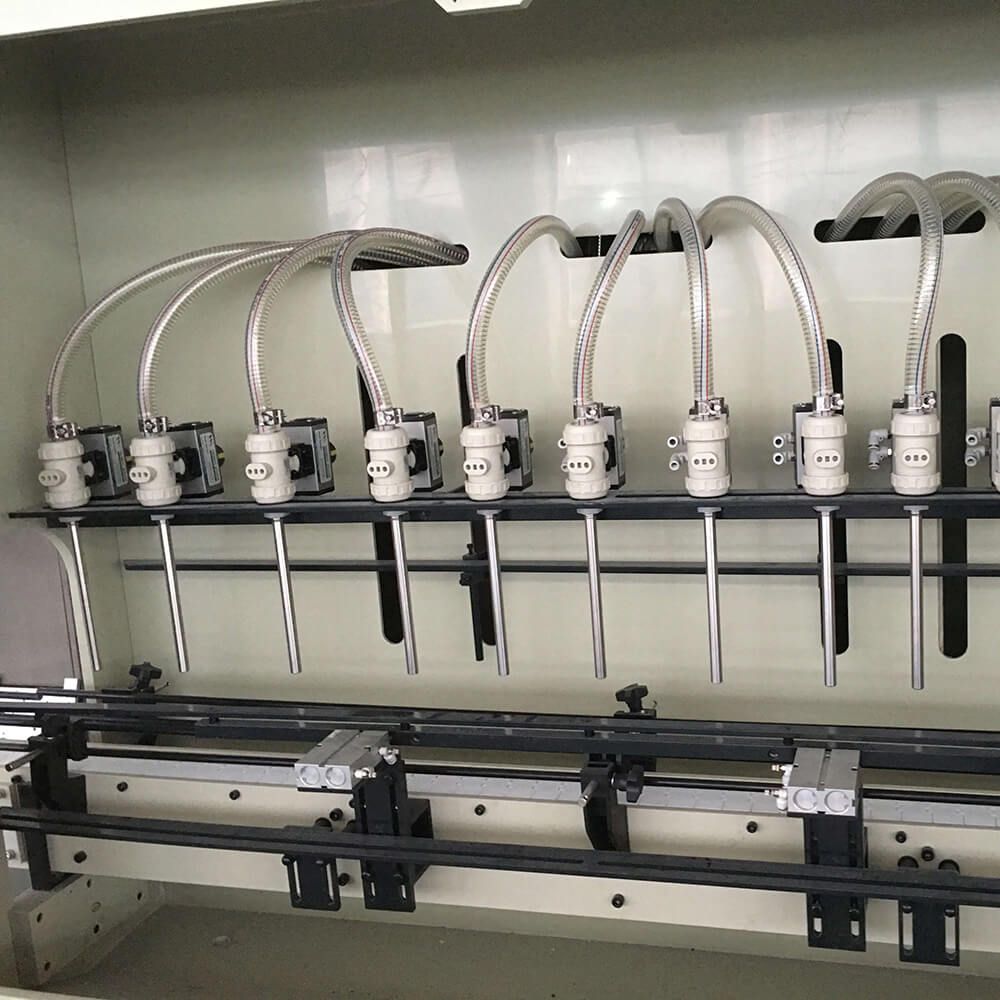
Household Chemical Filling Line
Household chemicals combine several properties that complicate filling: they foam, may be viscous, are often chemically aggressive, and are filled into complex-shaped containers fitted with triggers and pumps.
 Lines by Product Type
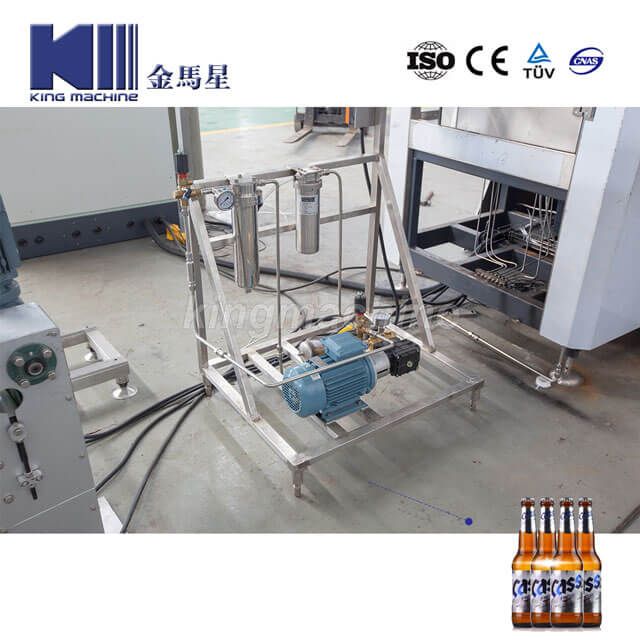
Beer Filling Line
Oxygen is beer's primary enemy during filling.
 Lines by Product Type
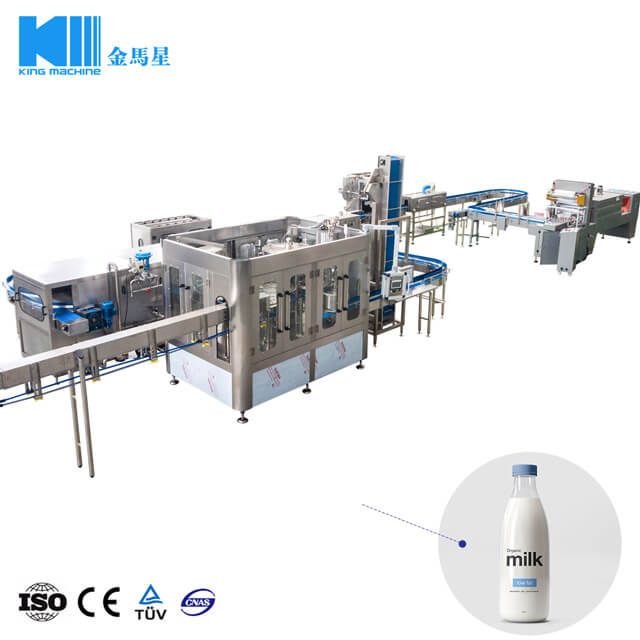
Milk Filling Line
Dairy products allow the least margin for error.
 Production Startup
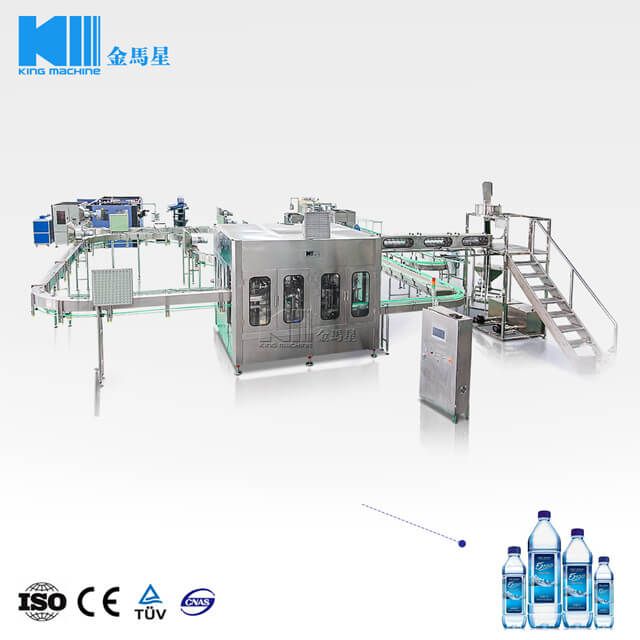
Semiautomatic or Automatic
Choosing between a semiautomatic production area and an automatic line is not simply a choice between “inexpensive” and “expensive.” It is a choice between a low initial investment with a high unit cost and the opposite combination.
 Lines by Product Type
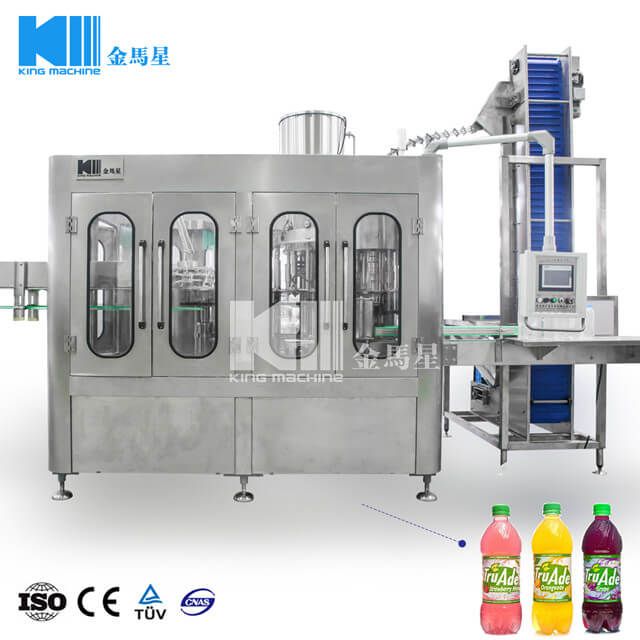
Juice Filling Line
For juice, the choice comes down to two technologies: hot filling into heat-resistant containers and aseptic filling into cold, sterile bottles.
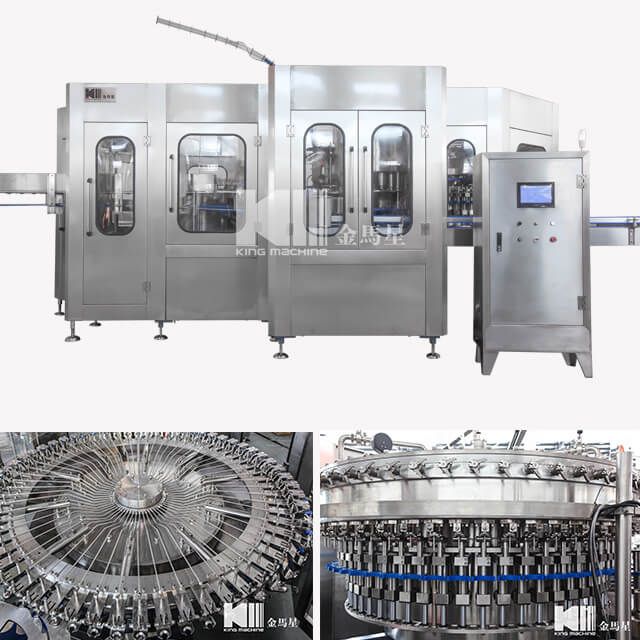 Lines by Product Type
Kvass Filling Line
Kvass combines the challenges of two products: it is carbonated like soda and biologically active like beer.
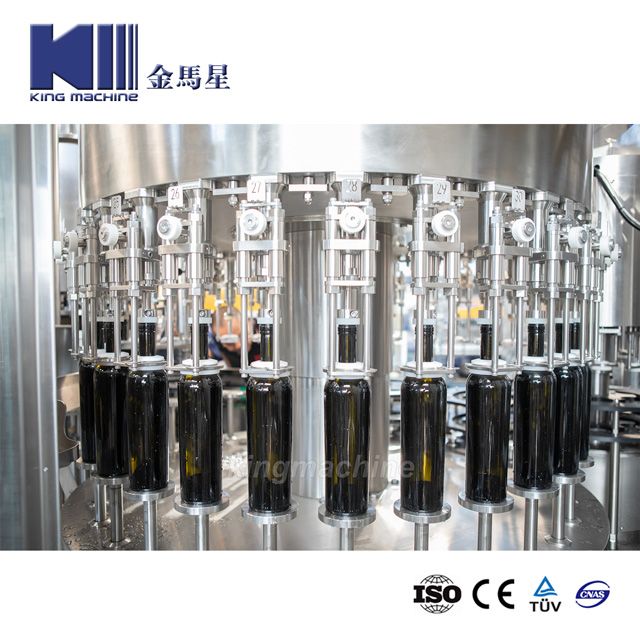 Lines by Product Type
Wine and Spirits Filling
A wine line is built around two requirements: minimizing product contact with oxygen and maintaining an accurate fill level in transparent bottles.
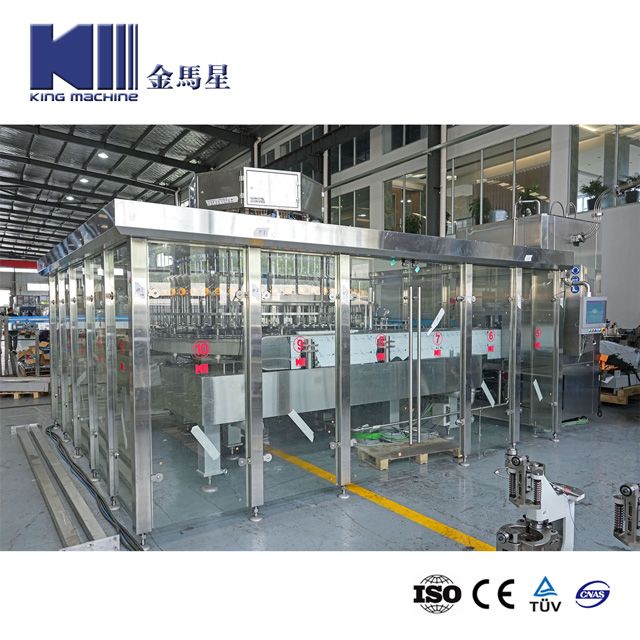 Lines by Product Type
Aluminum Can Filling
Cans provide superior protection against light and oxygen and offer logistics advantages, but they allow less room for error: an incorrect seamer seam can turn an entire batch into rejects that are not discovered until the product reaches the warehouse..
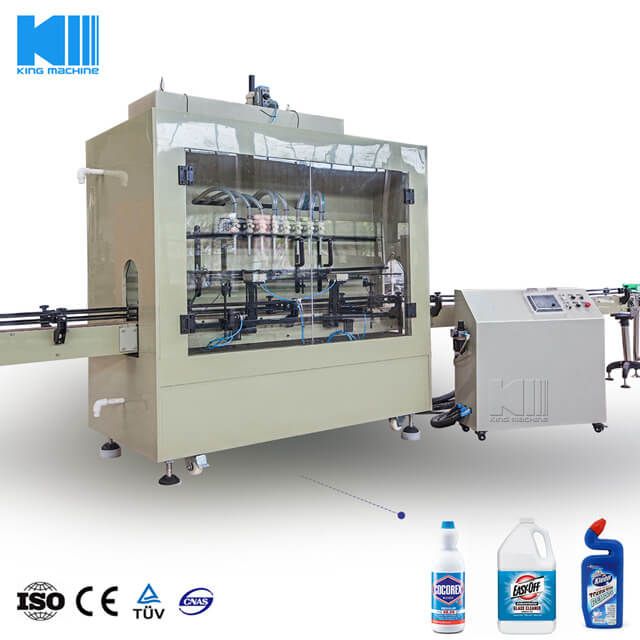 Lines by Product Type
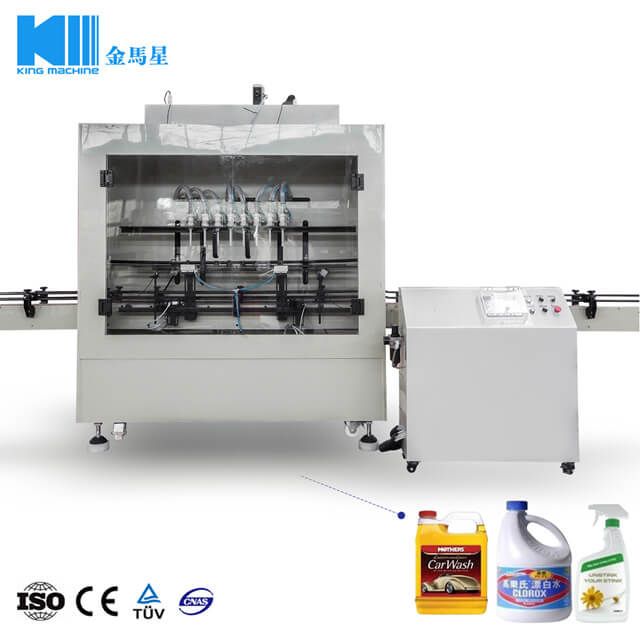
Antifreeze and Washer Fluid Filling
Automotive chemicals are seasonal products with sharp demand peaks.
 Lines by Product Type
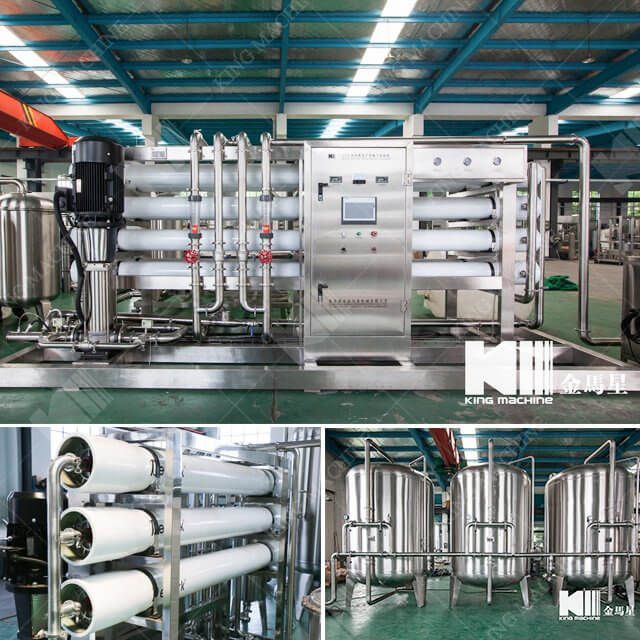
Aggressive Liquid Filling
Acids, alkalis, hypochlorite, and solvents can destroy a standard line within months.
 Production Startup
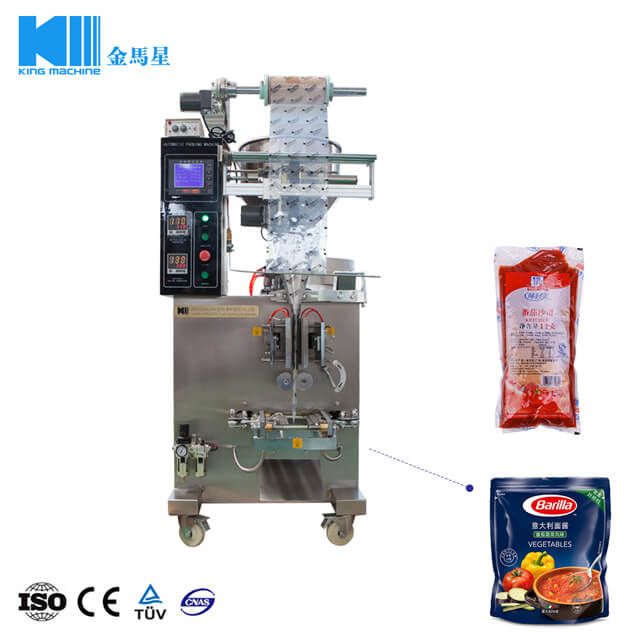
Mineral Water Production
Mineral water differs from purified drinking water both legally and technologically: its natural composition must be preserved rather than improved.
 Lines by Product Type
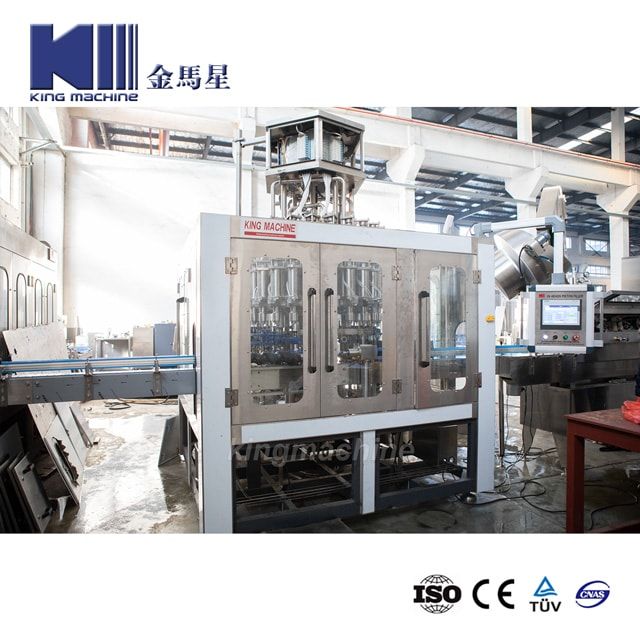
Doypack Filling
Doypacks use less expensive material than bottles and take up far less space when empty packaging is transported.
 Lines by Product Type
Sauce and Jam Filling
A viscous product does not flow freely and often contains particulates.
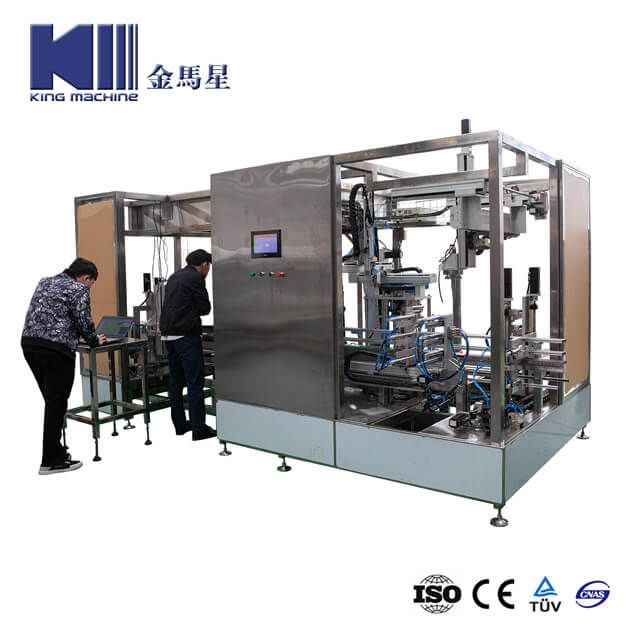 Lines by Product Type
Cosmetics Filling
In cosmetics, the value of the product inside each bottle is high, and consumers evaluate the packaging visually.
Line Components and TechnologiesMixer-saturator
The saturator determines what the drink will be like when it reaches the consumer: the gas level, the taste consistency from batch to batch, and whether the line will foam during filling..
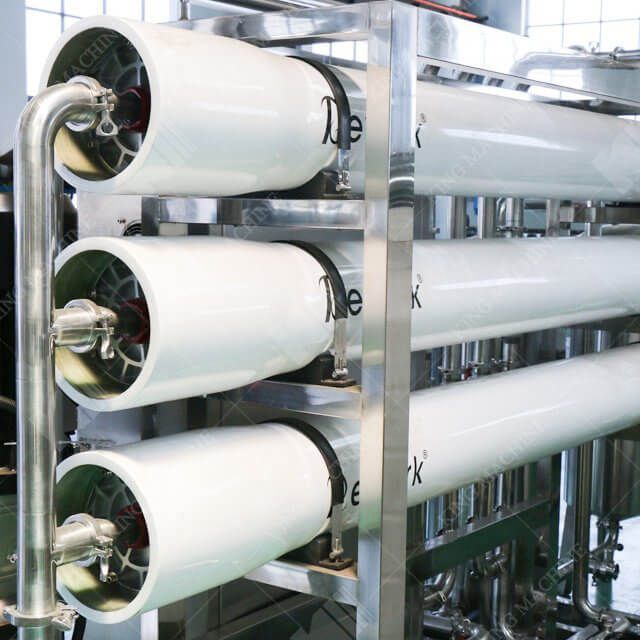 Line Components and Technologies
Blending department
The blending section determines recipe reproducibility.
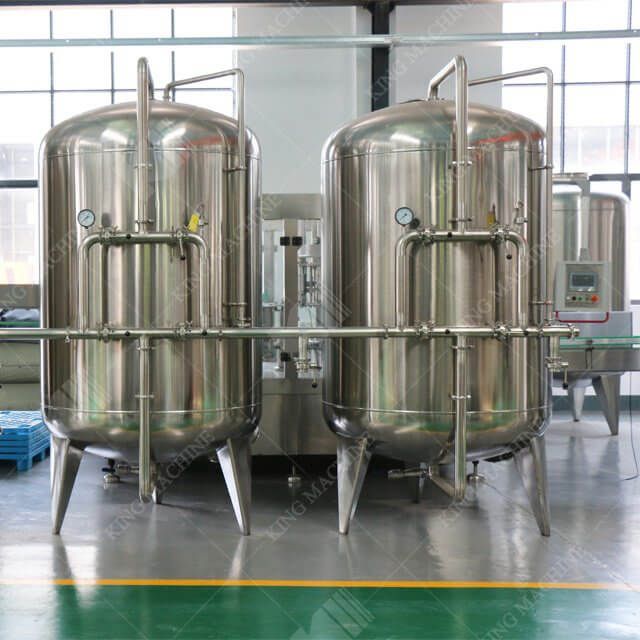 Line Components and Technologies
CIP line cleaning
A clean-in-place station does not produce product, so it is the most common place to cut costs.
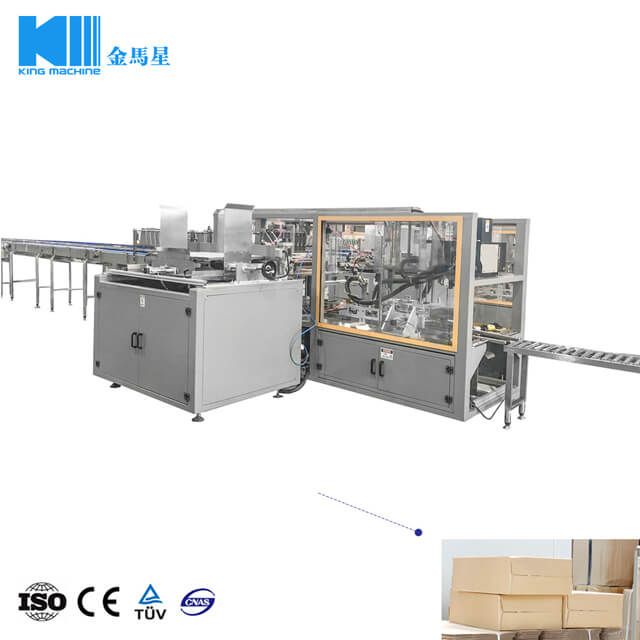 Line Components and Technologies
Conveyors and accumulators
In an ideal world, the line runs at the speed of the slowest machine.
 Line Components and Technologies
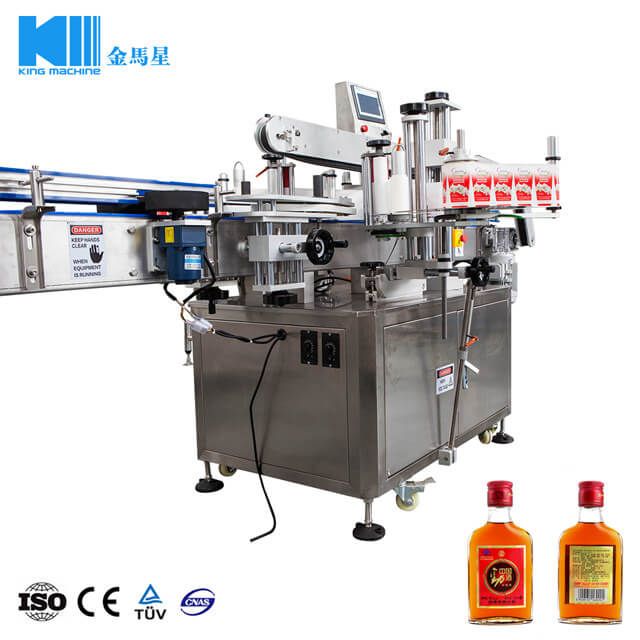
Bottle labeling
The label is the most visible packaging element and simultaneously the most frequent source of line stops.
 Line Components and Technologies
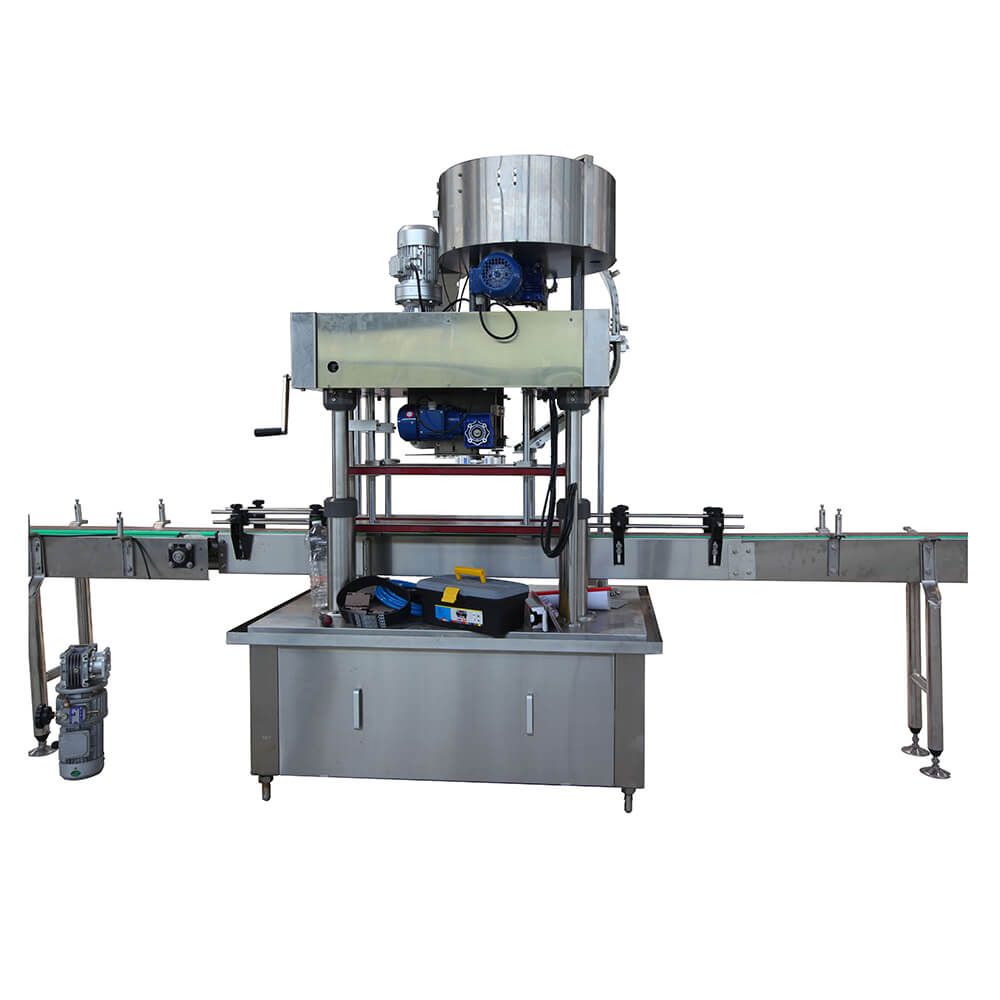
Bottle capping
The capping unit is at the end of the line, and all defects it passes are discovered at the warehouse or in the store.
 Line Components and Technologies
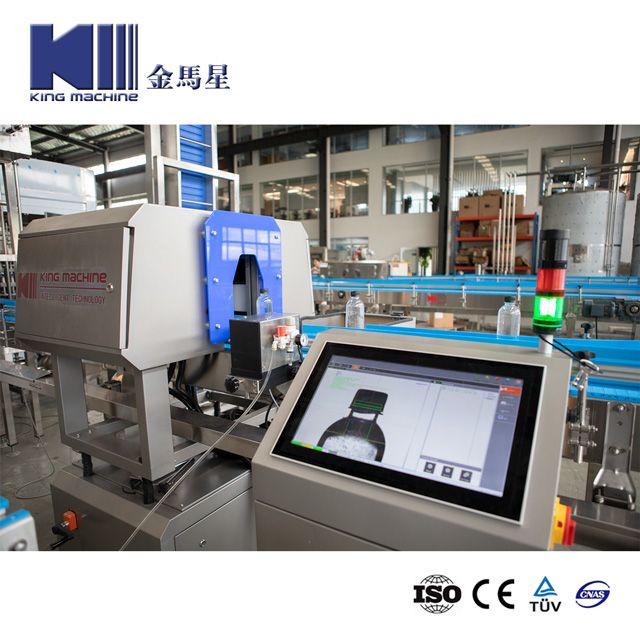
Marking and inspection
Marking is no longer just a date on the bottle.
Line Components and TechnologiesCompressors and cooling
Compressed air and cooling are not visible in the filling line specification, but they determine the electricity bill and the shop's ability to work in summer heat..
 Line Components and Technologies
Aseptic filling
Aseptic technology gives a long shelf life without preservatives and without a heavy heat-stable bottle.
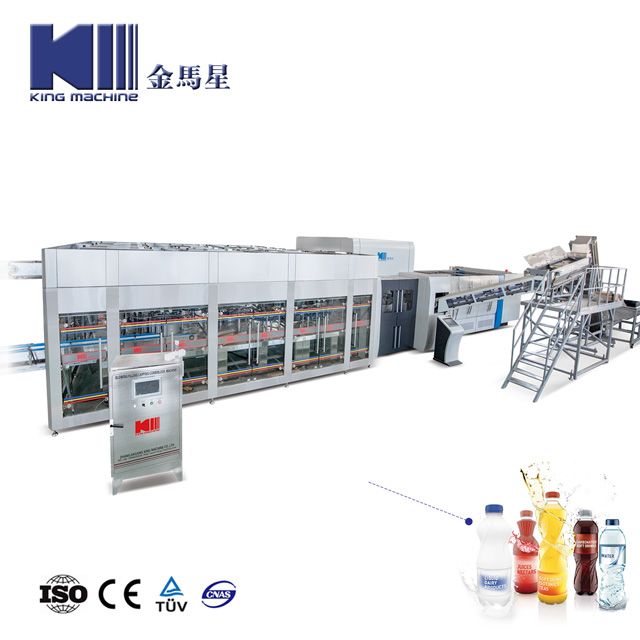 PET Containers and Blowing
Blowing and filling shop
Layout errors cost more than equipment selection mistakes: a line can be tuned, but a load-bearing wall and ceiling height cannot.
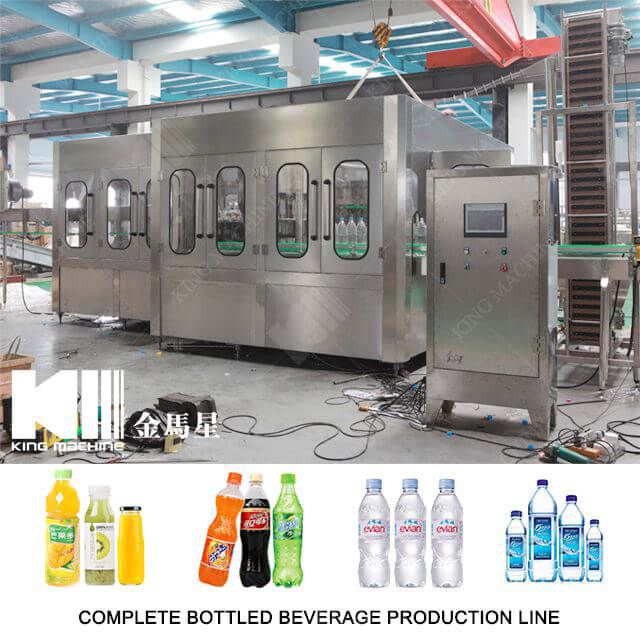 Production Startup
Water bottling plant turnkey
Equipment is the smaller part of a water project by time and a significant but not the only part by money.
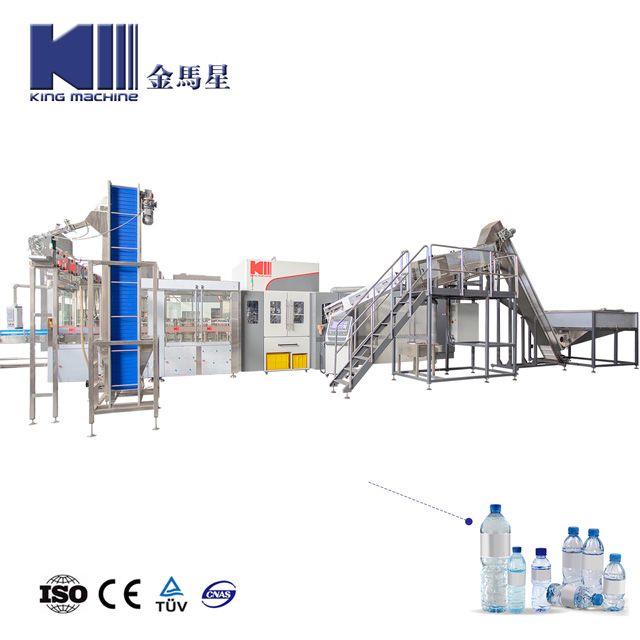 Production Startup
How to choose an equipment supplier
The difference between a successful and a failed project usually lies not in the machines themselves, but in who selected them, who is responsible for interfaces and who will come to the site two years after launch..
Need a breakdown for your task?
Articles cover the general picture. A specific configuration depends on the product, site and planned volume. Describe the task — we will prepare a preliminary line scheme and estimate.