

Beer filling line: price, configurations and glass bottles
Beer line price depends on packaging type (glass, can, keg), oxygen requirements and pasteurization. We break down the line composition by units and the calculation order for craft and industrial volumes.
- beer filling line price
- beer bottling equipment cost
- beer canning line for sale
- filling machine for brewery
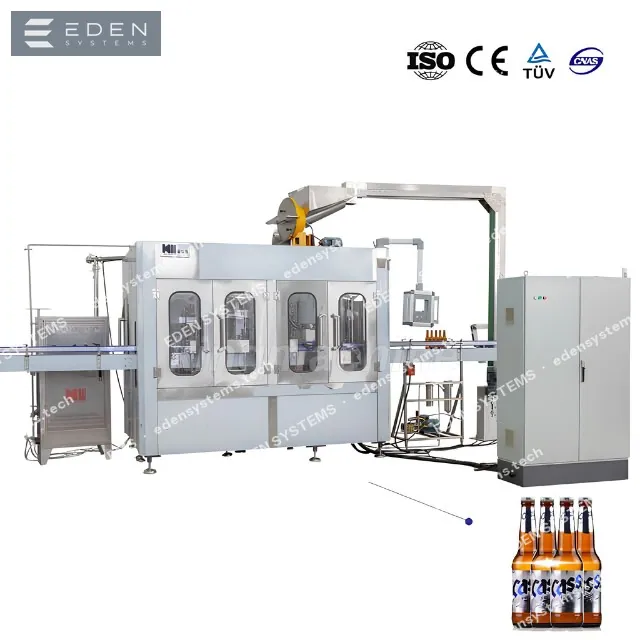
Beer filling formats
Isobaric monoblock, crown cork capper, labeling, returnable bottle washer on request
- Area
- from 150 m²
- Lead time
- 3-4 months
Isobaric triblock, tunnel pasteurizer, labeling, date coder, case packing
- Area
- from 500 m²
- Lead time
- 5-6 months
Rotary filler, depalletizer, inspection, pasteurization, automatic packaging and palletizing
- Area
- from 1,000 m²
- Lead time
- 6-9 months
What influences beer filling price
| Budget item | What is included | What affects cost |
|---|---|---|
| Packaging | Glass, aluminum can, keg, PET | Each format needs its own capping and transport system |
| Oxygen protection | CO2 purge, vacuuming, foam control | Target shelf life and taste requirements |
| Pasteurization | Tunnel or flash pasteurizer | Whether thermal treatment is needed or the product goes cold chain |
| Decoration | Glue or self-adhesive labeling, date and batch | Label type and number of SKUs |
| Cleaning and sanitation | CIP station, returnable bottle washer | Working with new or returnable packaging |
In beer, the price is determined not by liters per hour but by oxygen, temperature and pasteurization. The same capacity in kegs and in glass gives fundamentally different budgets.
How we design beer filling
- Step 1Balance the packaging mix
Shares of kegs, glass bottles, cans and PET in your sales plan. The proportion determines whether to install a universal station or two independent lines.
- Step 2Control oxygen
We define the acceptable TPO for the beer style and shelf life. This drives vacuum treatment, CO2 purge, filler and capper design.
- Step 3Decide on pasteurization
Tunnel pasteurizer, flash pasteurization or cold sterile filtration. We calculate the cost of ownership and impact on product taste.
- Step 4Plan cleaning and sanitation
CIP of filling, keg washing, line sanitation, changeover routines between beer types. We factor cleaning time into the real line uptime.
- Step 5Calculate budget and launch
Equipment, refrigeration and CO2, conveyors, labeling and marking, installation, commissioning with test brews, training of shift teams.
Questions from brewers about filling lines
Cans offer simpler logistics and better light protection; glass is more familiar to retail. For craft startups a combined solution is common: monoblock for glass and canning service outsourced at first.
If the product is sold outside the cold chain and shelf life exceeds a few weeks, pasteurization is practically mandatory. For local craft, sterile filtration sometimes suffices.
Yes, keg washing and filling can be installed as a separate section and connected to the same product circuit.
Detailed materials on the topic
Related clusters
Adjacent filling and packaging directions: line composition, budget and timelines differ — compare the options.
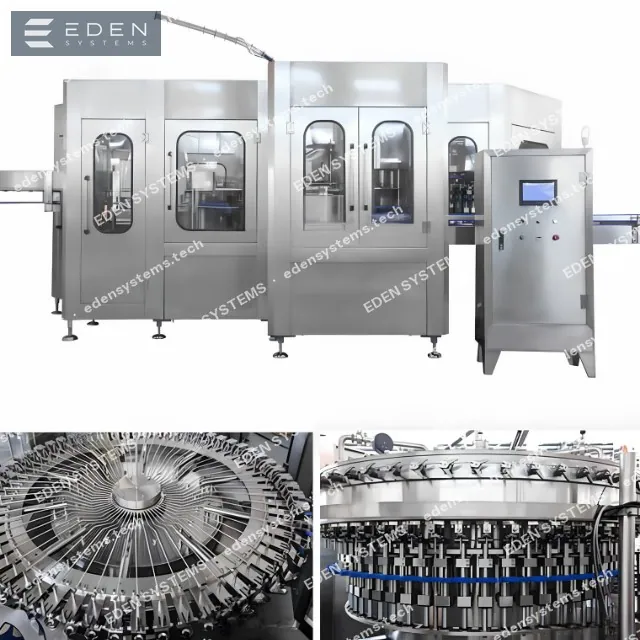
Сколько стоит линия розлива кваса: купажное отделение, сатуратор, пастеризация, изобарический розлив, CIP. Конфигурации от 1 000 до 12 000 бутылок в час.
View calculation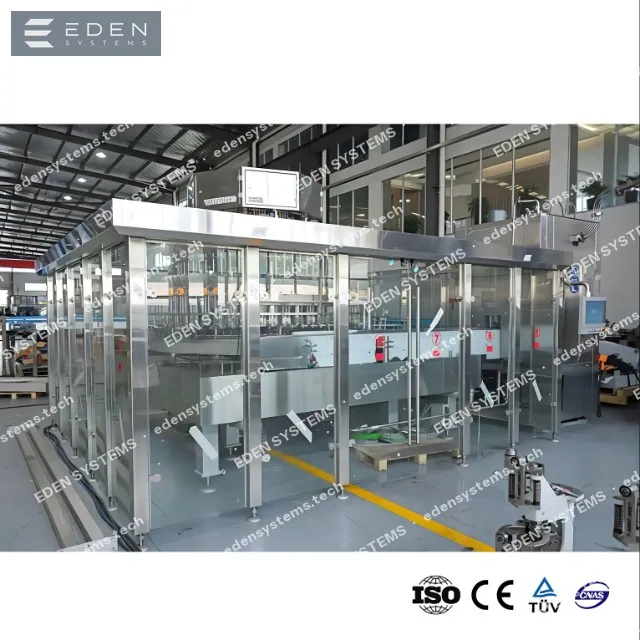
Сколько стоит линия розлива в банку: подача тары, изобарический налив, закатка, пастеризация, мультипак. Конфигурации от 1 000 до 15 000 банок в час.
View calculation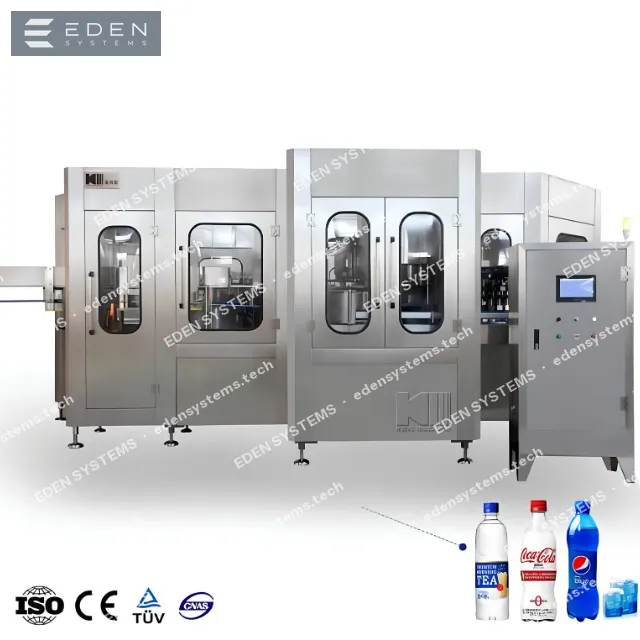
Стоимость линии розлива газировки: купажное отделение, сатуратор, изобарический триблок, этикетировка и упаковка. Конфигурации от 2 000 до 18 000 бут/ч.
View calculation
Стоимость линии розлива вина в стекло: вакуумный налив, инертизация, укупорка пробкой и винтом, этикетировка. Конфигурации от 500 до 6 000 бутылок в час.
View calculationSelect a beer filling line
Tell us about batch volume, shares of kegs, cans and glass, and whether pasteurization is needed. We will prepare the line composition, shop requirements and estimate.